
Faith-Filled Academics for Every Stage of Growth
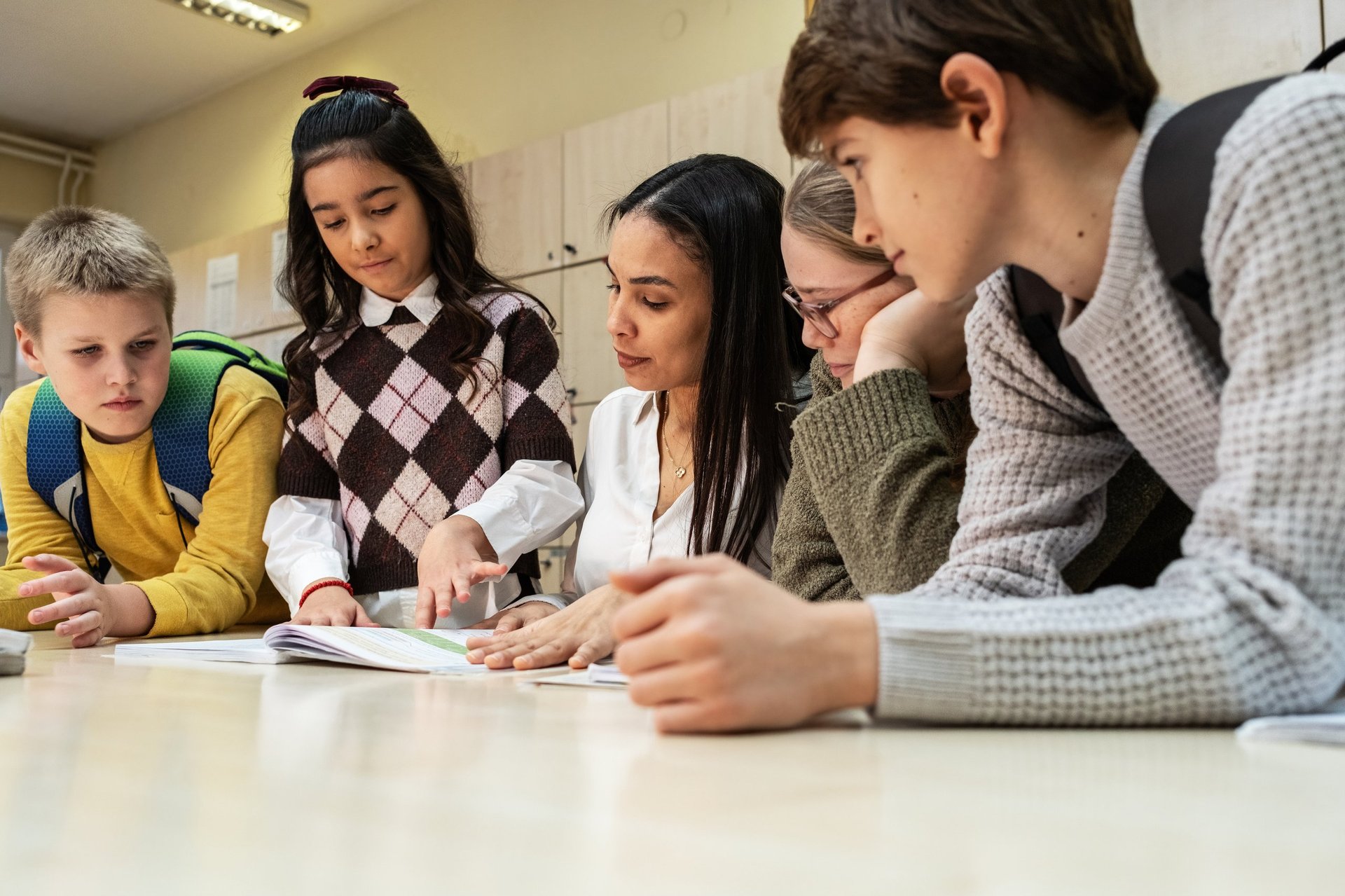
At Lighthouse Private Christian Academy, academics are the foundation of what we do. Students build knowledge, strengthen essential skills, grow in Christian character, and learn to use their abilities with wisdom and purpose.
From early reading and mathematics to critical thinking, STEM, hands-on learning, dual enrollment, athletics, and preparation for life after graduation, every stage is designed to help students keep growing.
Serving students and families through Lighthouse campuses in Pensacola, Gulf Breeze, and Milton.
Academics Are at the Heart of Lighthouse
Lighthouse Private Christian Academy exists to educate students. That begins with strong instruction, meaningful practice, clear expectations, thoughtful guidance, and the belief that every subject can help students better understand God’s world and their place within it.
Our academic goal is larger than completing assignments or earning grades. We want students to read with understanding, write and speak clearly, reason carefully, solve problems, ask thoughtful questions, accept responsibility, and continue learning throughout their lives.
Christian faith is not added to education as a separate decoration. It helps shape how students approach knowledge, truth, work, relationships, leadership, service, and the responsible use of their abilities.
A strong education helps students know more—but it should also help them think better, act responsibly, and use what they learn with purpose.

Strong Foundations
Students need essential skills in reading, writing, mathematics, science, social studies, and communication before they can confidently approach advanced work.
Critical Thinking
Students are encouraged to examine information, ask questions, identify relationships, consider evidence, and explain their reasoning.
Meaningful Practice
Progress develops through instruction, effort, feedback, correction, repetition, and perseverance.
Growing Independence
Academic expectations increase as students mature, helping them take greater responsibility for time, organization, communication, and completed work.
Christian Character
Honesty, respect, kindness, accountability, stewardship, and service belong within the learning process.
Future Readiness
Students are encouraged to connect present learning with graduation, college, technical education, employment, entrepreneurship, military service, public service, and other future goals.
From First Foundations to Graduation
Students need different kinds of instruction, structure, practice, and responsibility as they grow. Lighthouse’s academic program is designed to support that progression from kindergarten through high-school graduation.
Elementary School
Kindergarten–5th GradeElementary students build the foundations that support every subject that follows. Early learning emphasizes reading, phonics, writing, spelling, mathematics, science, social studies, Christian learning, classroom routines, curiosity, and confidence. Students progress from learning to read toward reading to understand, investigate, and learn across subjects.
- Early literacy and phonics
- Reading comprehension
- Written communication
- Number sense and mathematics
- Curiosity and observation
- Classroom habits
- Confidence and cooperation
Middle School
6th–8th GradeMiddle school is a bridge between elementary foundations and high-school expectations. Students strengthen core academic knowledge while developing organization, study habits, communication, critical thinking, responsibility, and greater independence.
- Stronger reading and analysis
- Organized written work
- Multi-step mathematical reasoning
- Scientific thinking
- Time management
- Personal accountability
- Preparation for high-school coursework
High School
9th–12th GradeHigh-school students work toward graduation while building the academic habits, judgment, communication, and planning skills needed for adult responsibilities. Depending on campus, grade, readiness, and current availability, students may also explore STEM, hands-on trade learning, dual enrollment, athletics, law enforcement, college preparation, military service, technical education, and other future pathways.
- Graduation planning
- Advanced reading and writing
- Mathematics and science
- Research and communication
- Independent learning
- College and career awareness
- Responsible decision-making
- Preparation for life after graduation
Course availability, electives, learning platforms, support options, dual enrollment, and specialized campus opportunities vary by grade, readiness, campus, staffing, schedule, and current resources.
Curriculum for Each Stage of Learning
Lighthouse uses established Christian curriculum resources to support age-appropriate instruction from kindergarten through high school. Teachers remain central to the learning experience by explaining concepts, guiding practice, answering questions, monitoring progress, and helping students apply what they learn.
Abeka®
Abeka® supports a structured elementary foundation with particular strength in early reading and phonics. Students begin by developing letter, sound, blending, word-recognition, fluency, and comprehension skills, then increasingly use reading as a tool for learning across subjects.
- Structured early literacy
- Phonics and reading development
- Writing and language
- Mathematics
- Science and social studies
- Christian worldview
BJU Press
BJU Press provides Christian academic materials designed to strengthen subject knowledge, critical thinking, communication, and the ability to examine learning through a biblical worldview.
- Christian academic content
- Core subject development
- Critical thinking
- Reading and analysis
- Written communication
- Technology-supported resources where appropriate
Ignitia and BJU Press
Upper-level students may use Ignitia’s interactive learning platform along with BJU Press materials, depending on course, campus, academic plan, and current availability. This combination can support teacher-guided classroom instruction, responsible technology use, increased independence, graduation planning, and preparation for postsecondary expectations.
- Upper-level coursework
- Teacher involvement
- Interactive learning
- Greater student responsibility
- Graduation planning
- Postsecondary preparation
Curriculum resources, course delivery, materials, and combinations may vary by grade, course, campus, student plan, and school year. Families should confirm the current program with Lighthouse campus leadership.
What Students Build Through Academics
Subjects are not isolated boxes. Reading supports science. Mathematics supports trades and technology. Writing supports leadership and employment. History and Christian learning help students understand responsibility, community, and the consequences of human choices.
English Language Arts
Students develop reading comprehension, vocabulary, grammar, written expression, research, listening, and clear communication.
Mathematics
Students build number sense, accuracy, logical reasoning, measurement, problem-solving, and the ability to apply mathematics to increasingly complex situations.
Science
Students explore the natural and physical world through observation, evidence, questions, systems, investigation, and age-appropriate scientific reasoning.
Social Studies
Students study history, geography, government, economics, citizenship, communities, and the responsibilities people share.
Christian Studies
Students engage with biblical teaching and Christian principles that help shape character, relationships, service, stewardship, and decision-making.
Practical and Future-Ready Learning
Depending on campus and grade, academic learning may connect with STEM, technology, trades, agriculture, culinary study, automotive learning, electrical concepts, law enforcement, dual enrollment, athletics, and other approved opportunities.
Specific courses, electives, projects, instructional methods, and practical programs vary by grade and campus.
Academic Foundations With Campus-Specific Strengths
Every Lighthouse campus shares a commitment to Christian education, core academics, character, and student growth. Individual campuses may also emphasize different opportunities based on student ages, programs, facilities, staffing, and community needs.
Pensacola K–12 Campus
A connected kindergarten-through-12th-grade community with core academics, athletics, dual-enrollment guidance for qualified students, leadership, and preparation for college, careers, military service, and life after graduation.
Explore the Pensacola CampusGulf Breeze K–12 Campus
Christian K–12 academics with a meaningful focus on science, technology, engineering, mathematics, problem-solving, dual enrollment for qualified students, and Stingrays athletics.
Explore the Gulf Breeze CampusMilton K–5 Campus
Christian elementary education focused on early academic foundations, reading, mathematics, curiosity, creativity, movement, character, and age-appropriate hands-on discovery.
Explore the Milton K–5 CampusMilton 6–12 Campus
Christian middle- and high-school academics with a strong hands-on direction, including trade and career exploration, practical STEM, athletics, dual enrollment for qualified students, and preparation for multiple post-graduation paths.
Explore the Milton 6–12 CampusPrograms and opportunities vary by campus, grade level, eligibility, schedule, staffing, available space, and school year. Contact Lighthouse for current information.
Dual Enrollment for Qualified High-School Students
Dual enrollment may allow a qualified Lighthouse high-school student to complete approved college-level coursework while continuing to work toward high-school graduation.
The process begins with a Lighthouse academic review. An administrator or academic counselor must consider the student’s academic standing, readiness, graduation requirements, workload, deadlines, partner requirements, course availability, and long-term plan before registration.
Explore Dual EnrollmentAcademic Challenge
Qualified students may experience the expectations and responsibilities of college-level work.
Growing Independence
Students practice organization, communication, time management, self-advocacy, and consistent academic effort.
Purposeful Planning
Approved coursework may support a student’s graduation and postsecondary goals when Lighthouse confirms how the course applies.
Dual enrollment is not automatic. Available institutions, eligibility, courses, costs, books, deadlines, delivery formats, high-school credit, and continued participation must be confirmed for the individual student. The receiving college or university determines whether it accepts transfer credit and how the credit applies to a degree or program. Dual enrollment does not guarantee future college admission.
Support, Expectations and Student Responsibility
Students learn best when school, family, and student responsibilities are clear. Lighthouse teachers and administrators provide instruction, guidance, feedback, and communication, while students are expected to participate, complete their work, ask questions, and respond constructively to correction.
Clear Instruction
Students need explanations, examples, guided practice, and opportunities to apply what they learn.
Meaningful Feedback
Feedback helps students recognize progress, correct misunderstandings, and improve future work.
Increasing Responsibility
Expectations for organization, time management, communication, and independent work grow with the student.
Family Communication
Parents and guardians remain important partners in attendance, routines, encouragement, questions, and academic planning.
Individual Review
Placement, support, course selection, graduation planning, and specialized opportunities should be considered according to the student’s circumstances and available school resources.
Families should speak directly with campus leadership about a student’s academic history, learning needs, available support, placement, accommodations, and program fit.
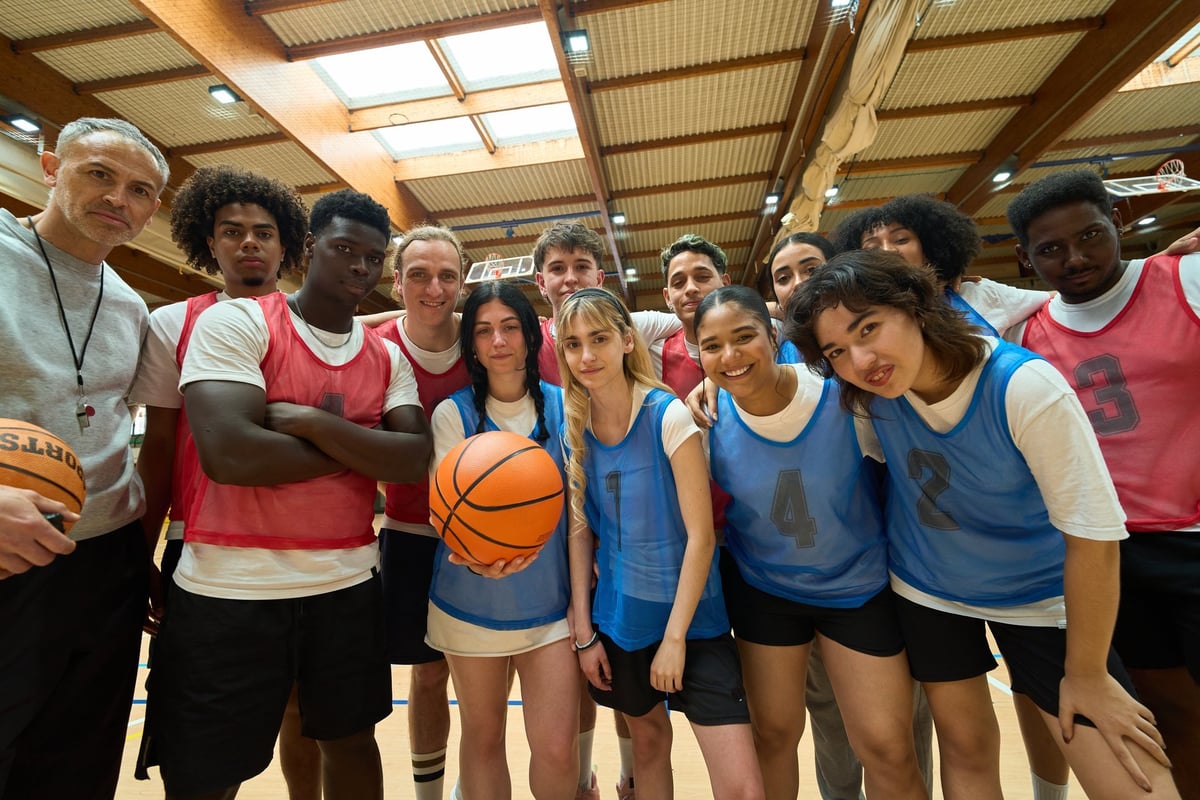
Athletics Strengthen the Academic Experience
Athletics are an important part of Lighthouse life. Practices and competition can reinforce discipline, teamwork, resilience, leadership, physical well-being, time management, and school pride.
Those benefits are strongest when student-athletes understand that academics remain a central responsibility.
A Lighthouse student-athlete is a student first. Academic standing, attendance, conduct, eligibility, and team requirements all matter.
Discipline
Preparation, attendance, effort, and following instructions matter in the classroom and in competition.
Time Management
Student-athletes must learn to balance assignments, study, practice, games, travel, family, and other commitments.
Teamwork
Students learn to communicate, accept roles, support others, and contribute to a shared goal.
Resilience
Athletics give students opportunities to respond constructively to pressure, setbacks, mistakes, and difficult outcomes.
Leadership
Students can lead through effort, attitude, responsibility, encouragement, and example.
Sportsmanship
Christian character should remain visible in how students compete, win, lose, and treat others.
Available teams, sports, grade levels, schedules, facilities, eligibility requirements, and participation costs may change.
Accreditation Supports Academic Confidence
Accreditation provides an external framework for reviewing a school’s academic practices, leadership, policies, records, and commitment to improvement.
Lighthouse’s current website identifies accreditation through the Christian Schools of Florida and the Middle States Association.
The dedicated Accreditation page provides the appropriate place for current accreditor names, formal status, recognition, and supporting information.
View AccreditationFamilies should contact Lighthouse and the applicable accrediting organization when they need confirmation of current status, recognition, transcript use, diploma acceptance, or transfer requirements.
More Than One Meaningful Path
Students have different abilities, interests, responsibilities, and goals. Lighthouse encourages students and families to consider an academic plan that supports the student’s growth and the future path that may follow.
College
Strong reading, writing, mathematics, research, communication, and independent-learning habits can help students prepare for postsecondary expectations.
Technical Education and Trades
Academic knowledge supports measurement, technical reading, safety, problem-solving, communication, and responsible hands-on work.
Employment and Entrepreneurship
Dependability, communication, organization, judgment, initiative, and work ethic matter in nearly every workplace or business.
Military and Public Service
Students considering service can benefit from academic preparation, discipline, teamwork, fitness, responsibility, leadership, and careful career research.
Lighthouse provides education, guidance, and opportunities for exploration. It does not guarantee admission, employment, certification, apprenticeship placement, military eligibility, enlistment, or acceptance by another institution or organization.
Is Lighthouse the Right Fit for Your Student?
Choosing a school means considering academics, faith, environment, expectations, opportunities, and the needs of the individual student. A campus visit and honest conversation can help your family make an informed decision.
- You want academics to remain central to the school experience.
- You want Christian faith connected to learning and character.
- You value strong foundations in reading, writing, mathematics, science, and social studies.
- You want expectations to grow as your student matures.
- You value communication between school and family.
- Your student may benefit from STEM, hands-on learning, trades, athletics, dual enrollment, or another campus-specific opportunity.
- You want your student to prepare for college, careers, technical education, military service, public service, or another purposeful future.
- You are ready to discuss your student’s needs directly with Lighthouse.
A Personal Review
Every student’s situation is different. Admission, placement, available services, course selection, and program fit are reviewed individually.
Lighthouse Academics FAQs
What grade levels does Lighthouse serve?
Lighthouse Private Christian Academy serves students from kindergarten through 12th grade through campuses in Pensacola, Gulf Breeze, and Milton. Grade availability and placement must be confirmed with the appropriate campus.
Is Lighthouse a Christian school?
Yes. Lighthouse provides faith-centered education and connects Christian principles with academics, relationships, character, leadership, service, and school life.
Which curriculum does Lighthouse use?
The current curriculum framework identifies Abeka® for kindergarten through fifth grade, BJU Press for grades six through 10, and Ignitia with BJU Press options for grades 11 and 12. Resources and delivery may vary by course, campus, academic plan, and school year.
Is every class taught online?
No. Lighthouse describes teacher involvement as part of the learning experience. Technology and interactive platforms may support instruction, but course format varies by grade, subject, campus, and student plan.
What subjects do students study?
Students build skills in English language arts, mathematics, science, social studies, Christian studies, communication, and other grade-appropriate areas. Specialized opportunities vary by campus and grade.
How does faith connect with academics?
Christian faith helps shape how students approach truth, knowledge, work, relationships, service, character, decision-making, and the responsible use of their abilities.
Does every Lighthouse campus offer the same programs?
No. All campuses share Lighthouse’s Christian academic foundation, but STEM, trades, hands-on learning, dual enrollment, athletics, and other opportunities vary by campus, grade, eligibility, staffing, schedule, and resources.
Is dual enrollment available?
Qualified high-school students may be considered for approved dual-enrollment coursework. Lighthouse must review readiness, academic standing, graduation requirements, course availability, deadlines, costs, partner requirements, and the student’s academic plan.
Will every dual-enrollment course transfer?
Not necessarily. The receiving college or university determines whether it accepts a course and how the credit applies to a degree or program.
Are athletics part of the Lighthouse experience?
Yes. Athletics are an important part of Lighthouse life and can reinforce discipline, teamwork, resilience, leadership, fitness, time management, sportsmanship, and school pride. Academic and eligibility requirements apply.
Does Lighthouse provide academic support?
Teachers and administrators provide instruction, guidance, feedback, and academic planning. Specific tutoring, intervention, accommodations, placement, and support services vary. Families should discuss their student’s needs directly with campus leadership.
Is Lighthouse accredited?
Lighthouse’s current website identifies accreditation through the Christian Schools of Florida and the Middle States Association. Families should review the dedicated Accreditation page for current formal details.
Does accreditation guarantee that every college will accept a Lighthouse transcript or credit?
No. Receiving schools, colleges, universities, programs, employers, licensing bodies, and other organizations determine their own admission, transfer, and acceptance requirements.
How do I learn which campus is best for my student?
Review the campus pages and contact Lighthouse to discuss the student’s grade, academic history, interests, needs, and goals. A campus visit can help the family understand the environment and available programs.
How do I apply?
Begin with the Enrollment page and complete the secure application when ready. Submitting an application begins the admissions review but does not automatically confirm admission or reserve a seat.
Take the Next Step With Lighthouse
Explore Enrollment
Learn how admission works, what families should prepare, and how Lighthouse reviews campus and grade placement.
Explore EnrollmentVisit a Campus
Meet the team, see the learning environment, and ask questions about academics and current opportunities.
Schedule a Campus VisitStart Your Application
Complete the secure application when your family is ready to begin the admissions review.
Start Your ApplicationSubmitting an application begins the review process. It does not, by itself, confirm admission or reserve a seat.

Help Your Student Grow in Knowledge, Faith and Purpose
The best way to understand Lighthouse academics is to experience the school community. Visit a campus, meet the team, ask about your student’s grade and goals, and discover how Lighthouse may support the next stage of learning.